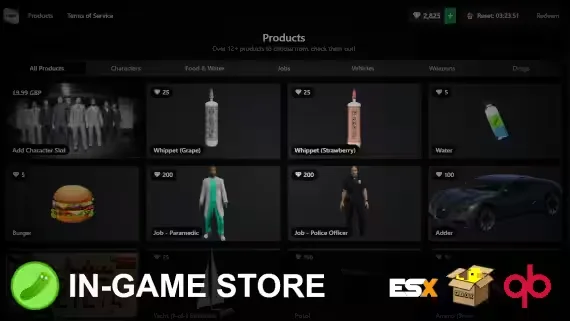
Walk into any FiveM owner Discord and you'll see the same purchase mistakes on repeat: the 12-player server that just bought a $60 gang-war territory system nobody will use, and the 200-player city still running a free banking script that falls over nightly at peak. Both spent badly — not because the scripts were bad, but because they were bought at the wrong stage. Server needs change radically as population grows. Here's the buying guide that matches the catalog to the curve: what to buy at 0 players, at 50, and at 200.
Stage 0: Pre-launch (0 players)
The mission: a complete, boring, reliable core. Nothing fancy survives contact with launch night anyway.
Buy:
- Framework essentials: inventory, phone, banking, garage/keys/fuel. These touch every player every session — this is where "buy once, buy well" applies hardest.
- One legal job loop and one illegal loop, tuned against each other.
- Police basics: MDT, evidence, dispatch — even if your force is three volunteers.
- A custom loading screen and HUD. Cheap, and they make a week-one server look like a year-one server.
Don't buy yet: gang territory systems, housing marketplaces, advanced crafting trees, casino content. All of it needs population density to function — territory wars with nine players online is a ghost town with extra steps.
Budget shape: this is your biggest single outlay (typically $150–300 for quality versions of the above). Resist filling gaps with random free scripts — every resource you install now is a migration cost later. The full catalog at scripts-tebex.io covers this entire stage with framework labels on every listing, and the launch-sequencing checklist on the tebax.io blog pairs well with this list.
Stage 1: Finding product-market fit (10–50 players)
The mission: retention. You have visitors; now you need residents. Buy depth for whatever your early community actually does — not what you imagined they'd do.
- If your players congregate around cars: dealership depth, tuning systems, and better stock — a curated fleet from cars-tebex.io beats raw quantity every time.
- If crime RP is the gravity well: a second criminal loop, better police tooling to match, and your first custom MLOs so the action has real stages — assets-tebex.io sorts interiors by exactly these use cases.
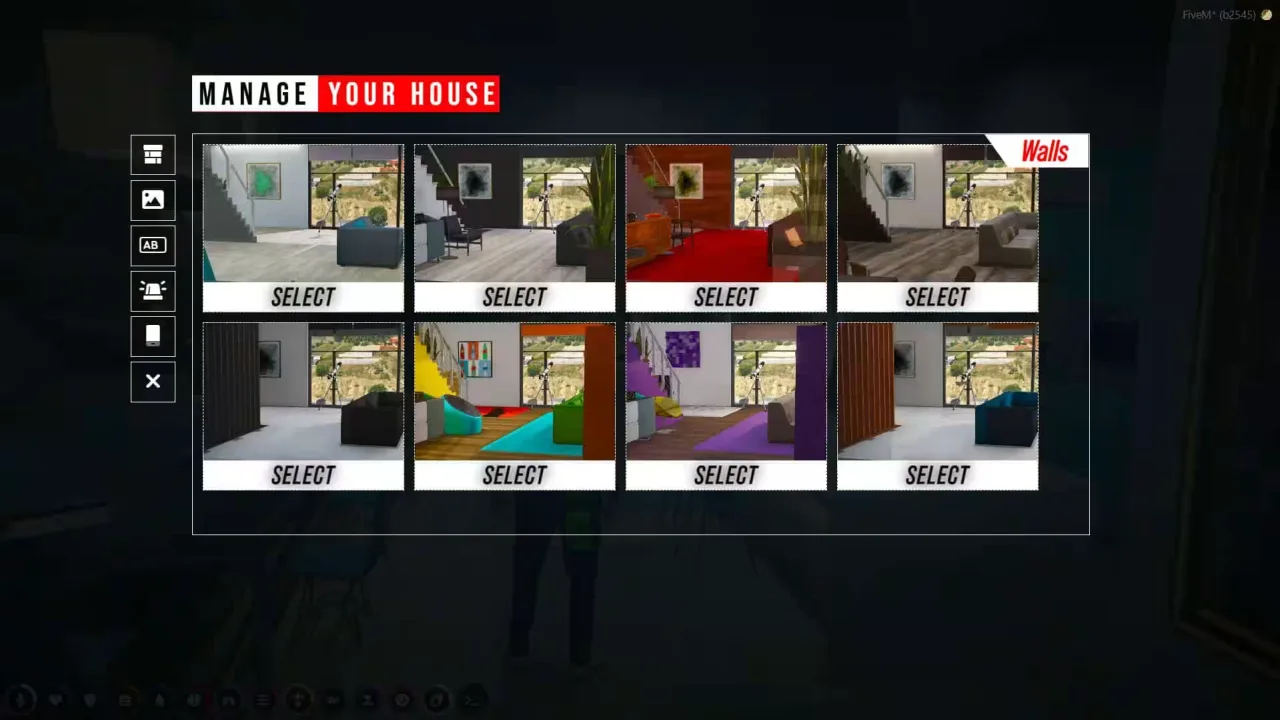
- If social RP dominates: club/restaurant systems, housing, and the venues to host events in.
The discipline: one purchase per gap, in response to observed behavior. Watch where players actually spend their evenings, read your own analytics, then buy. This is also the stage to start auditing performance per purchase — your resmon budget is no longer theoretical with 40 players online.
Stage 2: The established city (50–200+)
The mission: systems that scale and content that refreshes. At this size your problems change species: economy inflation, faction politics, content fatigue among veterans.
- Money sinks: vehicle auctions, property ladders, luxury catalogs. Mature economies drown in cash; sinks are retention tools now.
- Faction infrastructure: territory, organization management, war mechanics — now they have the population to work.
- Event tooling: seasonal frameworks and rotating content to keep year-one veterans engaged. Re-buy nothing; re-skin and rotate.
- Operational tooling: serious admin suites, analytics, anti-cheat layers. At 200 players, staff efficiency is a gameplay feature.
At this stage you're buying across many categories at once, which is exactly when bundle pricing matters most — that's the gap our own bundle deals are built for, and it's worth cross-shopping the whole store network before paying list price anywhere. The network map at cfxre-tebex.io lays out which sister store specializes in what.
The three rules that apply at every stage
- Buy for the server you have, not the one in your head. The graveyard of FiveM is full of 15-player servers with 200-player feature sets.
- Every script is a maintenance subscription. Before any purchase, check the creator's update history — you're hiring their future attention, not just downloading their past work.
- Leave resmon headroom. Performance is a budget you spend like money. A stage-2 server running stage-0 discipline on script quality is the one whose Friday nights stutter.
Stage-aware buying isn't about spending less — most successful servers spend more over time than the failed ones. It's about spending in the right order, so every dollar lands on a problem your city actually has this month. Buy the boring core, follow your players' behavior, scale the systems when the population arrives — and your store purchases compound instead of gathering dust in a resources folder.